How Exterior Painting Protects Commercial Buildings
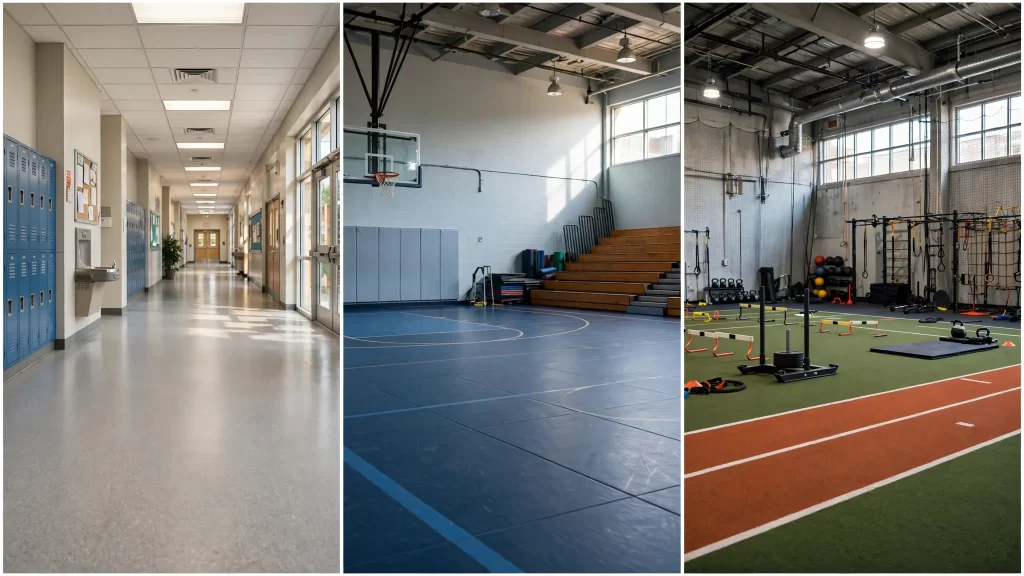
Selecting the right Flooring for schools, gyms, and sports facilities directly affects safety, maintenance costs, and long-term performance. Every educational or athletic environment experiences heavy foot traffic, frequent equipment movement, and constant daily use. The right surface helps reduce injuries, improves comfort, and supports different activities without wearing out quickly.
Industry professionals consistently recommend matching the flooring material to the facility’s function instead of choosing based on price alone.
Schools and sports facilities require flooring systems that balance durability, hygiene, and ease of maintenance. According to facility management experts, investing in high-quality flooring lowers replacement costs over time and minimizes disruptions caused by repairs.
We should evaluate performance, maintenance needs, environmental impact, and life-cycle value before making a final decision. A structured approach ensures flooring meets both current demands and future growth.
The right Flooring creates a safer and more efficient learning and athletic environment. Students, teachers, athletes, and visitors depend on surfaces that provide stability, comfort, and reliable performance throughout the day. Poor flooring choices increase maintenance expenses and may contribute to slips, falls, and premature material failure.
Experts from educational facility planning organizations recommend selecting flooring based on traffic levels, moisture exposure, acoustic performance, and expected lifespan. A properly installed flooring system also improves indoor air quality by reducing dust accumulation and supporting easier cleaning. These benefits contribute to healthier and more productive spaces.
Every facility has different operational requirements. Evaluating these factors helps identify the most suitable flooring solution.
Daily foot traffic volume.
Intended use of each room.
Slip resistance requirements.
Maintenance schedule and cleaning costs.
Shock absorption and comfort.
Noise reduction performance.
Moisture resistance.
Expected service life.
Sustainability certifications.
Budget and life-cycle cost.
Facility managers often prioritize long-term value over initial purchase price. Premium flooring products frequently deliver lower maintenance expenses throughout their lifespan.
Different materials perform better in specific environments. Choosing the correct flooring type extends service life and improves user safety.
| Facility Area | Recommended Flooring | Primary Benefits | Typical Lifespan |
|---|---|---|---|
| Classrooms | Luxury Vinyl Tile (LVT) | Durable, quiet, and easy to clean | 15–20 years |
| Hallways | Rubber Flooring | Slip-resistant, impact-resistant | 20–30 years |
| Gymnasiums | Hardwood Sports Flooring | Ball response, shock absorption | 40–50 years with refinishing |
| Weight Rooms | Rubber Tiles | Equipment protection, noise reduction | 20+ years |
| Indoor Courts | Polyurethane Sports Flooring | High durability and performance | 15–25 years |
| Locker Rooms | Epoxy Flooring | Water-resistant and hygienic | 15–20 years |
Professional flooring consultants recommend reviewing manufacturer performance testing before selecting products for athletic applications. Independent certifications help verify durability and safety claims.
Safety remains the highest priority when choosing Flooring for educational and athletic facilities. Slip resistance reduces accident risks, while proper shock absorption minimizes stress on joints during physical activity. Sports flooring should also provide consistent traction without limiting movement.
Many architects recommend flooring products tested for impact resistance, fire performance, and indoor air quality. Materials certified for low volatile organic compound emissions improve occupant health while supporting sustainable building goals. Meeting local building codes also prevents costly compliance issues later.
Maintenance requirements vary significantly between flooring materials. Facilities with limited maintenance staff often benefit from surfaces requiring simple daily cleaning and minimal refinishing. Lower maintenance translates into reduced operational costs over many years.
Rubber and luxury vinyl flooring generally require routine sweeping and damp mopping. Hardwood sports flooring demands scheduled refinishing to maintain performance. Facility managers should compare maintenance schedules alongside purchase costs because life-cycle expenses frequently exceed installation costs.
Modern Flooring options increasingly support environmental responsibility. Many manufacturers now produce recycled rubber flooring, responsibly sourced hardwood, and low-emission vinyl products that meet green building standards.
Sustainable flooring reduces environmental impact while improving indoor air quality. Products carrying recognized environmental certifications often contribute to healthier learning environments. Long-lasting materials also reduce landfill waste because replacement intervals become much longer.
Even premium Flooring performs poorly if installation quality falls below professional standards. Proper subfloor preparation, moisture testing, and manufacturer-approved adhesives determine long-term durability and appearance.
Experienced installers understand expansion requirements, seam placement, and curing times. Schools and sports facilities should work with certified installation teams that provide warranties covering both materials and workmanship. Professional installation reduces repair costs and extends the flooring system’s useful life.
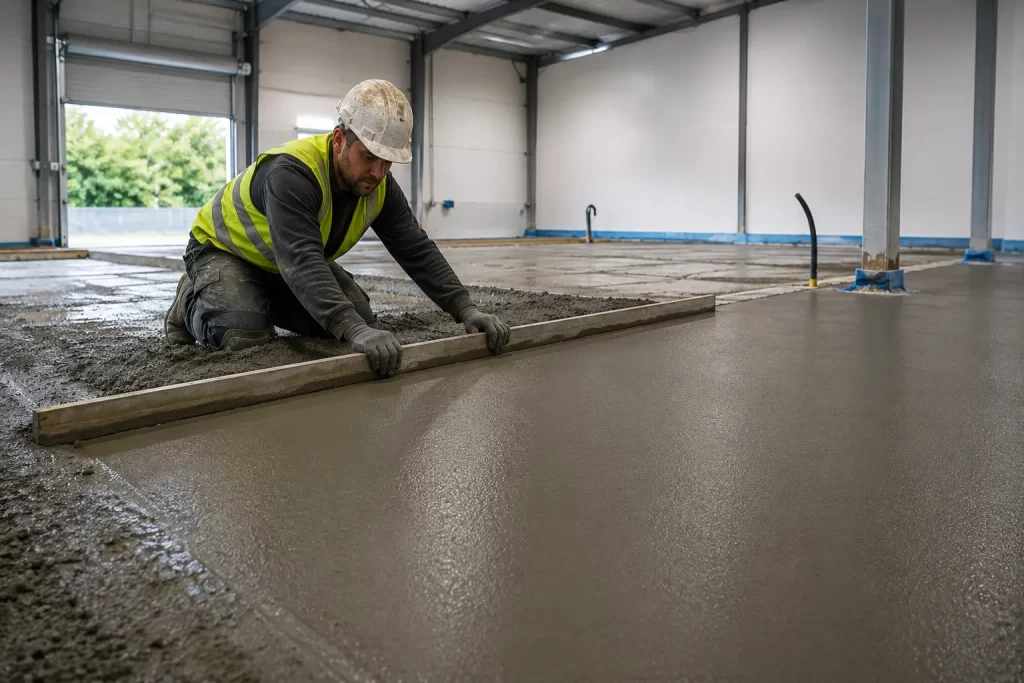
Many organizations focus only on purchase price, but total ownership cost provides a more accurate financial picture. Installation, maintenance, repairs, cleaning supplies, and replacement frequency all contribute to overall expenses. Explore our latest insights in How Screeding Creates the Perfect Foundation for Every Flooring Project.
Financial analysts specializing in facility management recommend calculating costs over 20 years rather than comparing only upfront prices. Higher-quality flooring often delivers stronger value because fewer repairs and a longer service life offset a higher initial investment. This strategy supports responsible budgeting while maintaining safe, attractive facilities.
Choosing the right Flooring requires balancing safety, durability, maintenance, and long-term value. By matching flooring materials to each facility’s needs and prioritizing professional installation, schools, gyms, and sports facilities create safer, more efficient spaces that serve students, athletes, and staff for many years while reducing overall operating costs.