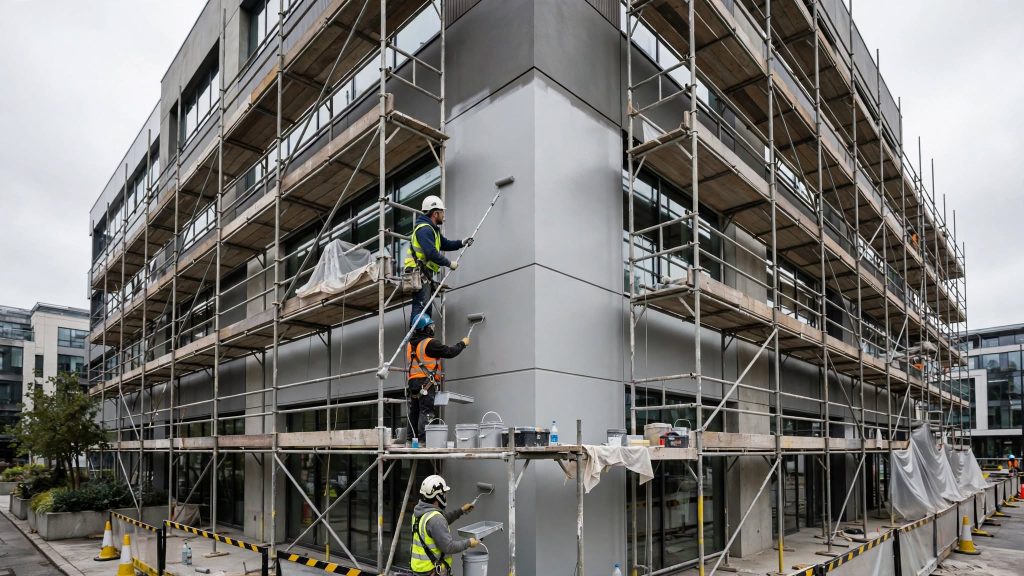
How Exterior Painting Protects Commercial Buildings
The exterior of a commercial building deals with constant exposure to sun, rain, wind, moisture, dust, and changing temperatures. Over time, these conditions can affect more than appearance. They can contribute to fading, surface deterioration, moisture problems, and damage to exterior building materials.
Exterior painting provides a protective layer between the building envelope and the surrounding environment. When the surface is properly prepared and the coating is suitable for the material and conditions, paint can help preserve walls, trim, metal components, and other exposed surfaces. Understanding how exterior painting protects commercial buildings can also help property owners plan maintenance before small problems become more difficult to address.
Commercial exterior paint is not simply a decorative finish. Once cured, it forms a coating over the underlying surface. This layer reduces direct exposure to environmental conditions that can gradually wear down building materials.
The effectiveness of that barrier depends on several factors, including the substrate, surface preparation, coating type, application method, and existing condition of the building. Paint applied over a clean and stable surface generally performs more effectively than paint used to cover unresolved damage.
Water is a common concern for exterior building surfaces. Rain, condensation, and persistent dampness can reach cracks, joints, porous masonry, exposed wood, and other vulnerable areas.
A suitable exterior coating helps reduce direct water contact with painted surfaces. This can be particularly useful for wood siding, concrete, stucco, masonry, and properly prepared metal.
Paint should not, however, be treated as a repair for active leaks or major moisture problems. Damaged flashing, failed sealant, drainage issues, cracks, or roof problems need to be corrected separately. Painting works most effectively as part of a broader exterior maintenance plan.
Commercial buildings experience repeated cycles of heating, cooling, wetting, and drying. These conditions gradually affect exterior finishes.
Sunlight can cause coatings to fade or lose their original appearance. Wind can carry dirt and abrasive particles against walls. Temperature changes can also place stress on exterior materials and existing coatings.
A properly selected exterior paint system provides an additional layer that receives much of this exposure before it reaches the underlying material. Regular inspection and timely repainting can therefore help property managers respond to coating deterioration before larger areas of the substrate become exposed.
Not every commercial building needs the same painting approach. The substrate plays an important role in determining how the surface should be prepared and which coating should be considered.
Wood needs protection from prolonged moisture exposure and weathering. Before painting, peeling coatings, damaged areas, and surface contamination should be addressed.
Masonry and stucco have different requirements. Cracks, loose material, staining, and moisture sources should be investigated before coating begins. Some masonry surfaces also need coatings that are compatible with how the wall manages moisture.
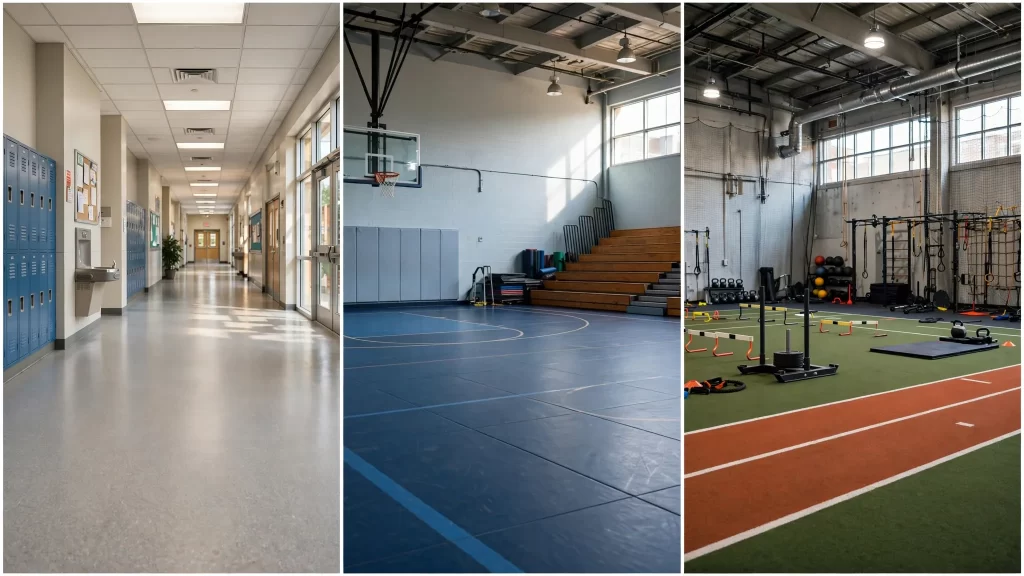
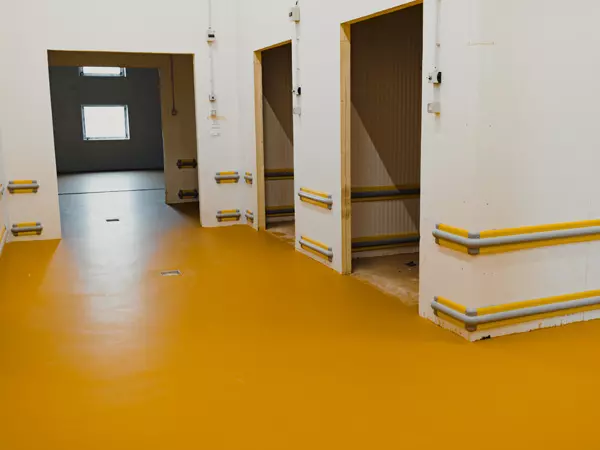
This attention to material selection applies throughout commercial properties. Decisions about exterior walls, interior finishes, and even How to Select Flooring for Schools, Gyms, and Sports Facilities depend on understanding the conditions a material will face rather than choosing solely by appearance.
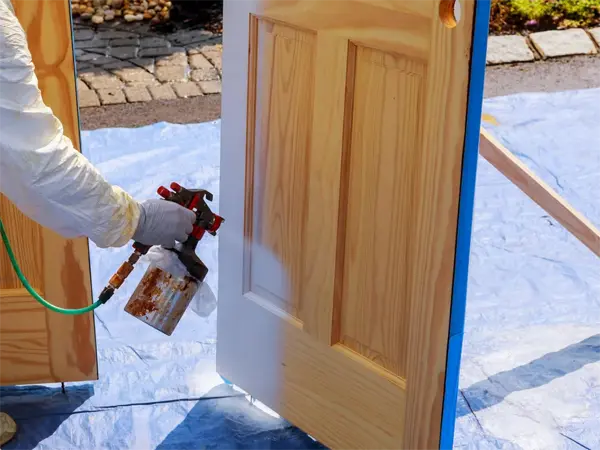
Exterior metal doors, railings, structural elements, and other painted components can deteriorate when protective coatings fail and bare metal becomes exposed.
Surface preparation is especially important with metal. Loose paint, corrosion, dirt, grease, and other contaminants may interfere with coating adhesion. Appropriate primers and compatible topcoats can help isolate the prepared surface from direct environmental exposure.
Even a suitable exterior coating can perform poorly when applied to an unsuitable surface. Preparation is therefore one of the most important parts of commercial exterior painting.
Depending on the building, preparation may involve:
Removing loose, flaking, or peeling paint
Cleaning dirt, dust, mildew, and surface contaminants
Repairing minor cracks or damaged areas
Preparing corroded metal
Replacing failed sealant where appropriate
Priming bare or repaired surfaces
The goal is to create a clean, stable surface that allows the coating system to adhere properly. Painting directly over deteriorated material may temporarily improve appearance, but the underlying problem can remain.
Painting also creates an opportunity to inspect parts of a commercial building that may otherwise receive little attention. During preparation, contractors or maintenance teams may notice cracks, failed joints, corrosion, damaged trim, loose coatings, or areas where water repeatedly collects.
Finding these conditions early allows building managers to determine whether repair is needed before painting continues.
This makes exterior painting useful within a preventive maintenance schedule. Instead of waiting until surfaces show widespread deterioration, periodic inspections can identify when cleaning, touch-ups, repairs, or complete repainting should be considered.
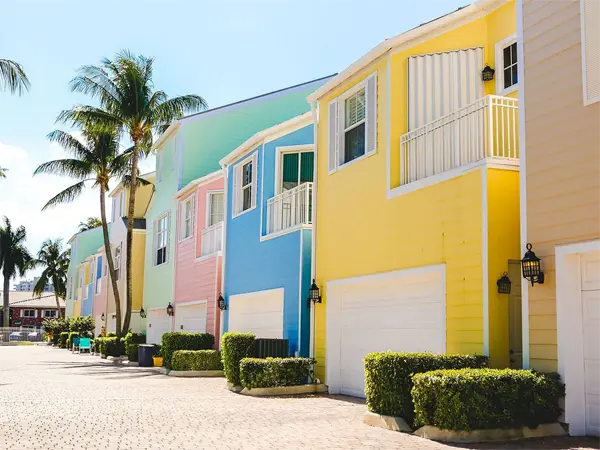
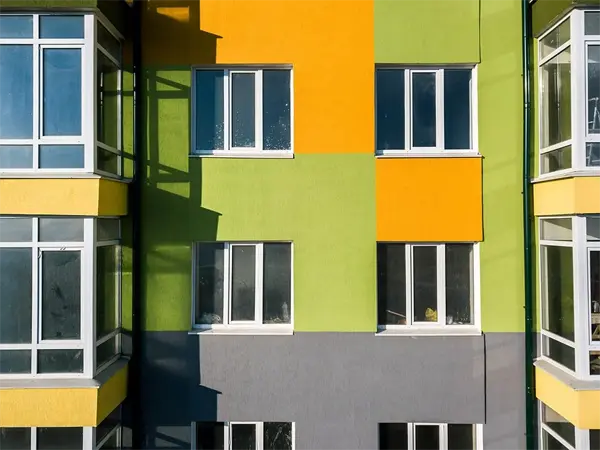
Protection is the main practical purpose of exterior coatings, but appearance still matters for commercial properties. Faded paint, visible patches, peeling areas, stains, and exposed surfaces can make a building look neglected even when the interior is well maintained.
A consistent exterior finish gives entrances, walls, trim, and architectural details a more orderly appearance. For offices, retail buildings, schools, healthcare properties, warehouses, and other facilities, this can support a clean and maintained environment without requiring major architectural changes.
Color selection should also consider practical factors. Sun exposure, surrounding materials, existing branding, local conditions, and future maintenance can all influence whether a particular finish is appropriate.
There is no single repainting schedule that suits every commercial property. Coating life varies according to climate, surface material, paint system, exposure, preparation quality, and building condition.
Rather than relying only on a fixed timetable, facility managers can watch for signs such as peeling, cracking, chalking, fading, exposed substrate, damaged sealant, or corrosion. These signs can indicate that closer inspection or maintenance is needed.
Weather conditions during application also matter. Paint products have specific requirements for temperature, moisture, surface condition, and drying time. Following the coating manufacturer’s application guidance helps reduce avoidable performance problems.
Exterior painting protects commercial buildings by adding a barrier between exposed building materials and everyday environmental conditions. It can reduce direct moisture exposure, limit weather-related surface deterioration, protect prepared metal and wood, and help maintain the appearance of the property.
The coating itself is only one part of the process. Careful inspection, repairs, surface preparation, material compatibility, and correct application all influence how well the finished system performs. Treating exterior painting as planned building maintenance rather than a cosmetic update helps property managers address deterioration before exposed surfaces require more extensive attention.