How Exterior Painting Protects Commercial Buildings
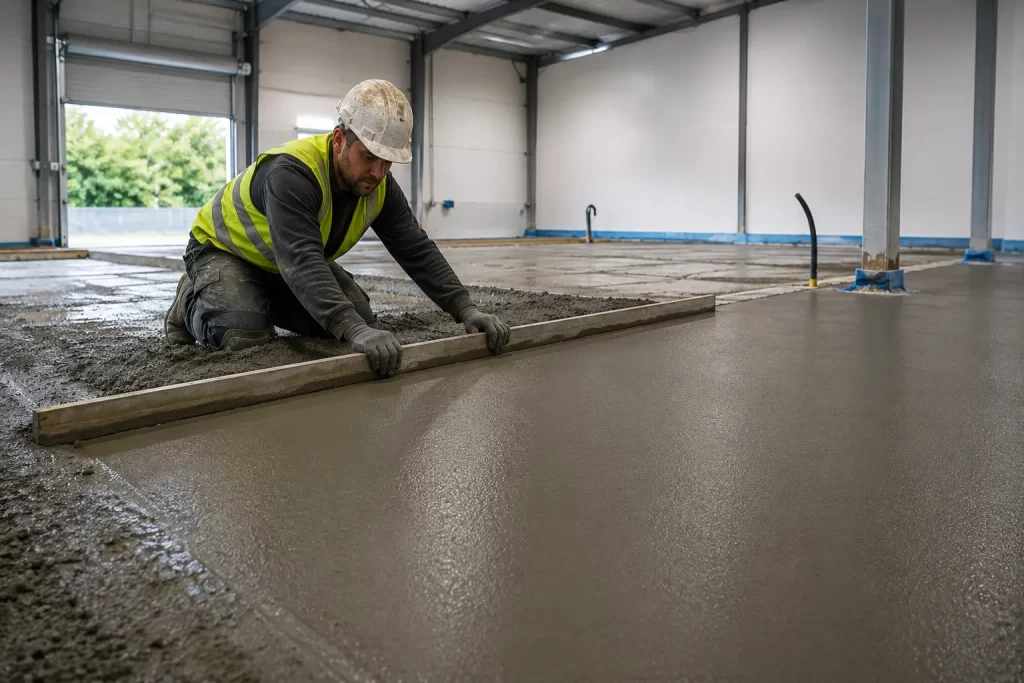
Every successful Flooring Project starts with a strong and level foundation. Screeding is one of the most important stages in floor preparation because it creates a smooth, durable, and even surface before the final flooring material is installed. Whether the finish is tile, vinyl, hardwood, laminate, or epoxy, the quality of the screed directly affects performance, appearance, and longevity.
Industry data from the National Ready Mixed Concrete Association shows that uneven subfloors are among the leading causes of flooring failures. Poor floor preparation can increase repair costs by up to 35% during a building’s lifecycle. This makes screeding a critical investment rather than an optional step.
Professional contractors rely on screeding to eliminate imperfections, improve load distribution, and ensure compliance with floor flatness standards. Modern screeding techniques have also improved installation efficiency, reducing project timelines while enhancing floor durability.
In this guide, we explain how screeding supports every Flooring Project, why it matters for long-term performance, and how different screeding methods contribute to a flawless finished floor.
Screeding is the process of applying a layer of material over a concrete subfloor to create a level and smooth surface. The screed acts as an intermediate layer that prepares the floor for its final covering.
A properly installed screed improves structural stability and helps distribute loads evenly across the floor. This reduces pressure points that can lead to cracks, movement, or premature wear.
For any Flooring Project, surface accuracy is essential. Even a variation of 3 millimeters over a 2-meter span can create installation challenges. Screeding corrects these issues before the finishing material is applied.
Professional flooring specialists often measure floor tolerances using laser leveling equipment. This ensures the finished surface meets project specifications and manufacturer requirements.
Screeding offers several advantages:
Creates a smooth and level surface.
Improves flooring lifespan.
Reduces installation defects.
Enhances load-bearing performance.
Supports underfloor heating systems.
Improves floor aesthetics.
These benefits make screeding an essential stage in both residential and commercial flooring installations.
A well-executed screed significantly improves floor durability. When flooring materials sit on an uneven base, stress concentrates in specific areas. Over time, this can cause cracking, lifting, or separation.
Research from construction quality assessments shows that floors installed on properly screeded surfaces can last 20% to 30% longer than those installed on uneven substrates. This extended lifespan reduces maintenance costs and minimizes disruptions.
For commercial facilities with heavy traffic, screeding becomes even more important. Warehouses, retail stores, healthcare facilities, and offices require floors that can withstand constant use without deterioration.
Many modern flooring solutions depend on accurate floor levels. Large-format tiles, luxury vinyl planks, and polished concrete surfaces require near-perfect flatness for optimal performance.
Underfloor heating systems also benefit from screeding. The screed layer surrounds heating pipes and helps distribute heat evenly across the floor surface. This improves energy efficiency and reduces temperature variations.
Contractors frequently use flowing screeds in heated floor systems because they provide excellent coverage and thermal conductivity.
Different Flooring Project requirements call for different screeding materials. Selecting the right option depends on building usage, drying time, and load requirements.
| Screed Type | Typical Thickness | Drying Rate | Common Applications |
|---|---|---|---|
| Traditional Sand-Cement | 50-75 mm | 1 mm per day | Residential floors |
| Fast-Drying Screed | 35-60 mm | 3-7 mm per day | Time-sensitive projects |
| Self-Leveling Screed | 3-40 mm | 24-48 hours | Renovations |
| Flowing Anhydrite Screed | 35-50 mm | 1 mm per day | Underfloor heating |
| Heavy-Duty Industrial Screed | 50-100 mm | Varies | Warehouses |
Each screed type offers specific performance benefits. Professional assessment helps determine the most suitable option.
Flooring experts generally recommend self-leveling screeds for renovation projects where existing floor imperfections must be corrected quickly. Industrial facilities often require heavy-duty screeds due to increased traffic loads.
The right screed selection can improve installation speed while ensuring long-term floor performance. Explore our solutions for floor imperfections.
Successful screeding begins with proper subfloor preparation. The surface must be clean, stable, and free from dust, grease, and loose materials. Moisture testing is also essential before installation begins.
Experienced contractors use laser-guided leveling systems to achieve precise floor tolerances. This technology improves consistency and reduces installation errors.
Temperature and humidity control are equally important. Most screeds perform best when installed between 50°F and 77°F. Environmental conditions affect curing times and final strength development.
Several mistakes can compromise a Flooring Project:
Inadequate subfloor cleaning.
Incorrect screed thickness.
Poor moisture management.
Rushing curing times.
Using unsuitable screed materials.
Our experience shows that allowing the screed to cure fully before flooring installation is one of the most critical success factors. Skipping this step often results in expensive repairs later.
Screeding plays a vital role in creating a successful Flooring Project. It provides the smooth, level, and durable foundation needed for high-quality flooring installations. From improving load distribution to supporting advanced flooring systems, screeding directly influences performance and longevity.
Professional screeding reduces defects, extends floor life, and improves installation accuracy. Whether the project involves residential living spaces, commercial facilities, or industrial environments, proper screeding ensures the finished floor performs as intended. Investing in quality screeding at the beginning of a Flooring Project helps prevent costly issues and delivers better long-term results.